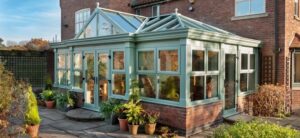
Conservatory Roof Restoration: A Comprehensive Guide
Conservatories have actually long been a treasured addition to homes, providing a peaceful space filled with natural light. However, like any structure exposed to the aspects, conservatories need maintenance, especially their roofings, which are prone to use and damage. In this post, we will explore the basics of conservatory roof restoration, exploring its value, common issues, restoration techniques, and maintenance tips to ensure durability.
Why is Conservatory Roof Restoration Important?
Restoring a conservatory roof is crucial for numerous factors:
- Preservation of Aesthetic Appeal: A well-kept roof improves the overall beauty of the conservatory and, by extension, the home.
- Energy Efficiency: An undamaged roof ensures that the conservatory stays energy-efficient, preventing heat loss throughout chillier months and lowering cooling costs in warmer months.
- Structural Integrity: Damage to the roof can lead to more substantial issues, such as leaks and structural issues. Prompt restoration helps prevent pricey repairs.
- Improved Comfort: A restored roof develops a more comfy environment, protecting occupants from weather condition extremes.
Common Issues with Conservatory Roofs
Before a restoration can begin, it is necessary to identify common problems related to conservatory roofing systems:
1. Leaks
Leaks are normally the most visible problem, typically triggered by damaged seals or missing out on tiles/panels. They can result from wear and tear, severe weather, or bad setup.
2. Condensation
Condensation can develop up on the within the roof panels, making the conservatory uncomfortable and destructive home furnishings.
3. Weakening Seals
The seals around the roof panels can degrade over time, leading to gaps and subsequent leaks.
4. Algae and Moss Growth
Moss and algae can build up, especially in shady areas, which may not only affect aesthetics but also the roof's materials by retaining wetness.
5. Thermal Issues
Glazing panels might lose their insulating properties, causing increased energy consumption.
Restoration Methods
Choosing the suitable restoration technique depends on the extent of damage identified. Below are some of the most efficient restoration techniques:
1. Roof Cleaning
Routine cleansing can considerably enhance the look and functionality of your conservatory roof. Specialized cleaning options and strategies can be utilized to remove dirt, algae, and moss.
2. Seal Replacement
For roofs suffering from leaks due to damaged seals, prompt replacement is crucial. This often includes removing the affected panels, replacing the seals, and re-sealing them to guarantee a leak-proof surface.
3. Panel Replacement
If specific panels are split or broken beyond repair, think about changing them. Ensure that the new panels match the existing ones in regards to style and insulation residential or commercial properties.
4. Insulation Upgrades
If thermal inefficiency is a problem, consider upgrading the insulation. Installing secondary glazing or insulated panels can boost the roof's energy effectiveness.
5. Enhancing the Structure
In cases where structural integrity is compromised, it may be needed to enhance the entire roof or particular areas. This is specifically important for older conservatories that might not have been developed to modern-day requirements.
Regular Maintenance Tips
To lengthen the life of a conservatory roof, regular maintenance is necessary. Here are some tips:
- Regular Inspections: Conduct examinations at least twice a year, particularly before winter and after heavy storms, to recognize potential issues early.
- Rain gutter Cleaning: Keep gutters clear of debris to prevent water overflow, which can trigger damage.
- Cleaning up Panels: Periodically clean the roof panels to get rid of dirt and prevent algae growth.
- Check Seals: Regularly examine the condition of seals and change them as necessary.
- Address Leaks Promptly: Early detection and correction of leaks can conserve considerable costs in restoration.
FAQs about Conservatory Roof Restoration
Q1: How often should I have my conservatory roof cleaned?
A: It is recommended to clean your conservatory roof a minimum of twice a year to avoid the accumulation of dirt, algae, and moss.
Q2: Can I clean up the roof myself?
A: While some property owners opt to clean their roofings themselves, it is frequently best delegated experts who have the ideal equipment and proficiency to do so safely.
Q3: What should I try to find during a roof evaluation?
A: Look for indications of leaks, condensation, damaged panels or seals, and any growth of algae or moss.
Q4: How much does conservatory roof restoration cost?
A: The cost of restoration can differ considerably based upon the degree of damage and needed work. A fundamental cleansing might cost a couple of hundred dollars, while structural repairs could run into the thousands.
Q5: Is it worth restoring an old conservatory?
A: Restoring an old conservatory can enhance the home's value, enhance energy effectiveness, and produce a more satisfying area. conservatory repair cost is normally thought about a rewarding investment.
Conservatory roof restoration is essential for keeping the visual and practical advantages that this valued area supplies. By being proactive in recognizing common issues, utilizing efficient restoration methods, and adhering to regular maintenance practices, property owners can preserve their conservatories for several years to come. A restored conservatory not just adds worth to the residential or commercial property however also uses a comfortable and gorgeous area for relaxation and pleasure.